
Our Heritage Site

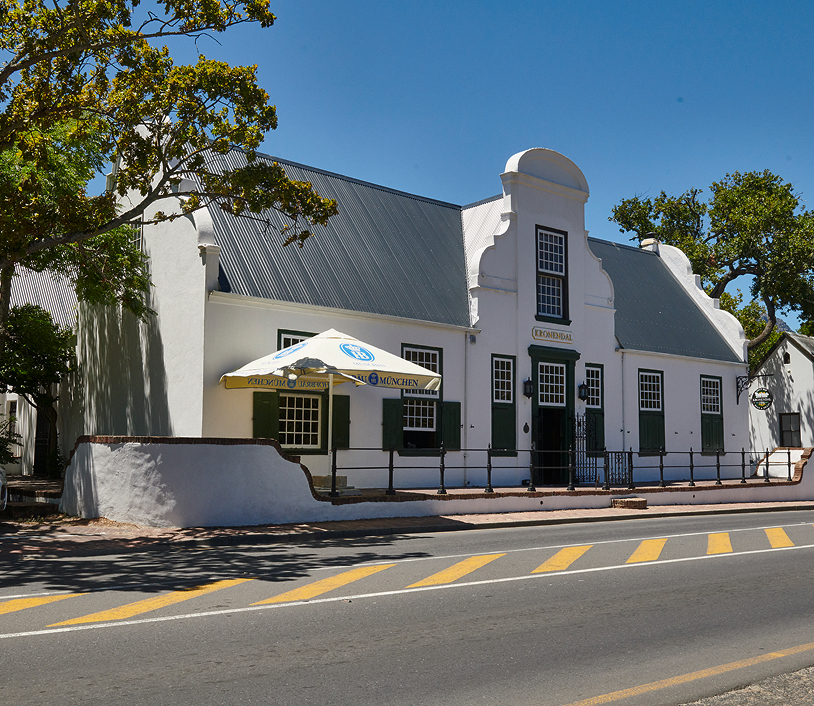
Kronendal is a recognised heritage landmark on Main Road, Hout Bay, with roots going back to the early Cape farming era. The estate formed part of land granted in 1713, and the site has remained a notable feature of the valley ever since.
Protected Heritage Status
Kronendal’s architectural and historical importance was formally recognised when it was declared a National Monument on 9 September 1960 under the old National Monuments Council legislation. This status reflects the site’s value as a surviving example of Cape heritage architecture and as a place with deep local significance in Hout Bay’s story.
A Living Landmark, Still Welcoming Guests
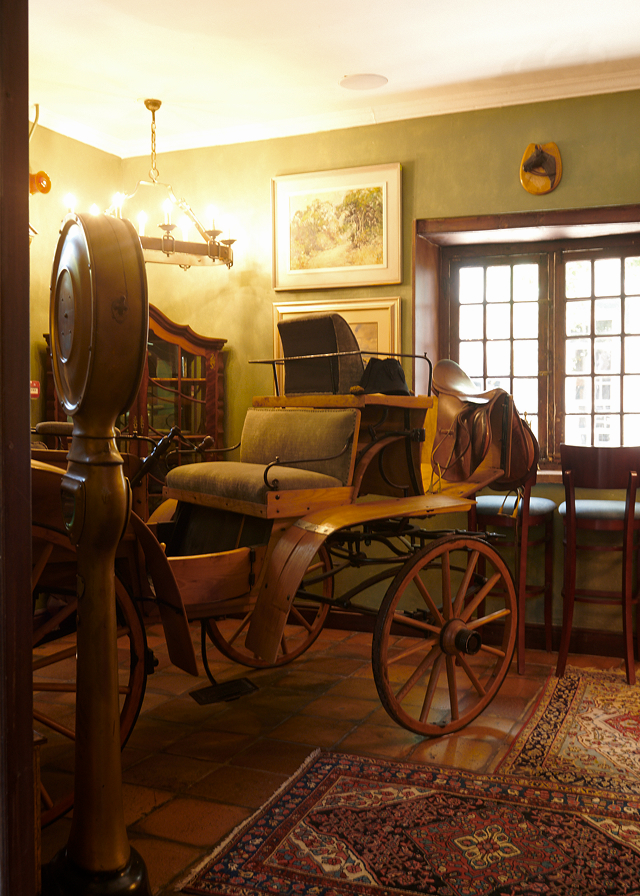
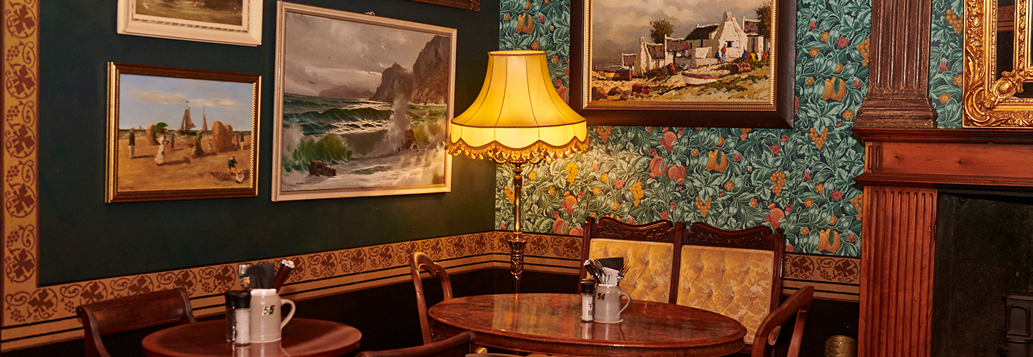
One of the reasons Kronendal remains special is that it has continued to function as a lived and visited place, rather than becoming a closed-off relic. In more recent decades, the building has been used as a restaurant, allowing guests to experience the character of the homestead up close, from its historic layout to the atmosphere created by its age and setting.
That ongoing use has helped keep Kronendal visible in the community, not only as a preserved structure, but as a space where people still gather, dine, and connect with the site’s history in a real way.
The Oaks Across The Road And The Legend Of Elsa
No heritage site is only bricks and plaster, it is also the stories people carry forward. Kronendal’s best-known story dates back to around 1840, about 40 years after the gabled manor house was built around 1800. According to the local legend, the Cloete family owned Kronendal for a short time during that period. Daniel Cloete’s daughter, Elsa, fell in love with a British soldier from a garrison stationed in Hout Bay. Their relationship was forbidden because he was British and she was Dutch.
The story says their closest contact was through secret meetings at the front windows of the homestead. It ends in tragedy, with the soldier said to have hanged himself from one of the oak trees in the avenue across the road from Kronendal, and Elsa later dying of a broken heart. Those oak trees, still visible today, keep the legend tied to a real and familiar part of the landscape.
Sightings And Local Folklore
Over the years, the legend has persisted through reported sightings. Around sunset, people have claimed to see a man standing among the oaks, looking towards the building, and a young woman in an old-fashioned blue dress seen at the windows. Elsa’s ghost has also been reported inside the building itself.
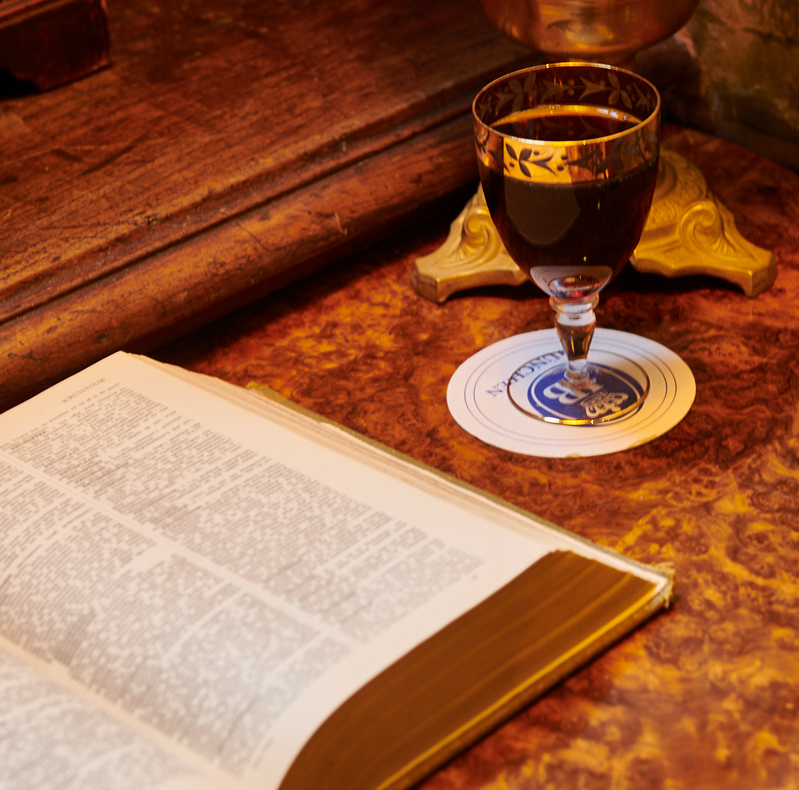
There are also more modern anecdotes connected to the restaurant era, including that we set a table for Elsa everyday, often filling a glass of wine for her. SAHO also records an account from an English visitor (an architect) who described seeing a woman in period-style clothing, and later learning of the Elsa story. Since the 1970s, at least five sightings have been documented in local newspapers and magazines.