

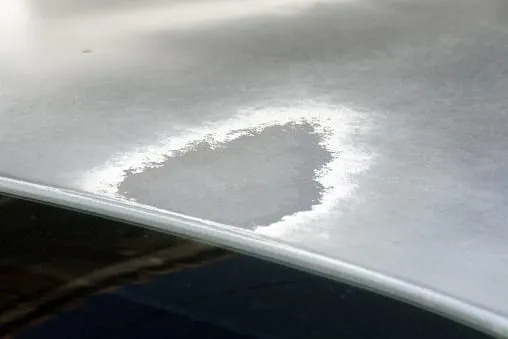
Why Does Clear Coat Fail?
The clear coat on a car is the top layer of paint that provides protection and gloss. It’s what gives a car that shiny, new appearance. However, this layer is also subject to failure, particularly under intense UV exposure.
The Role of UV Exposure
UV rays from the sun are highly energetic and can cause significant damage to car paint over time. For metallic silver cars, the clear coat is especially vulnerable. The metallic particles in the paint can reflect UV rays, which increases the intensity of exposure on the clear coat. This can accelerate the degradation process, leading to what’s known as clear coat failure.
Signs of Clear Coat Failure
Clear coat failure is characterized by a variety of symptoms, including:
- Dullness and fading of the paint
- A chalky or white appearance
- Flaking or peeling of the clear coat layer
- Preventing Clear Coat Failure
To protect your car’s clear coat, consider the following steps:
- Regular washing and waxing to remove pollutants
- Ceramic coatings extend the life of paintwork for up to 5 years
- Parking in shaded areas to minimize UV exposure