Redefine cites balance sheet strength as recovery gains traction
Redefine cites balance sheet strength and policy credibility as recovery gains traction
Redefine Properties says improving fiscal credibility, easing funding conditions, focussed capital allocation and disciplined balance sheet management are translating into tangible outcomes for the group, with recovery gaining traction across its retail, industrial and funding metrics.
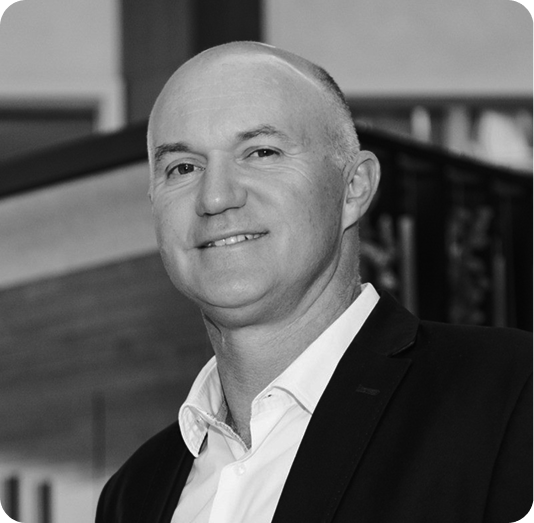
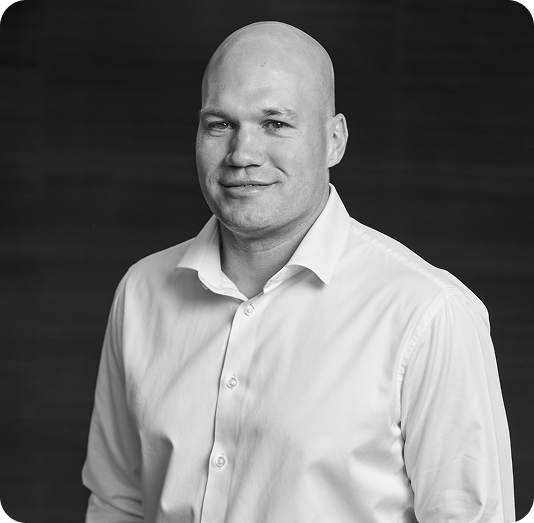
Speaking ahead of the group’s pre-close update for the half year ending February 2026, CEO Andrew König said stronger macro fundamentals are proving supportive, with lower interest rates, and higher confidence levels creating a more constructive environment for listed property.
“South Africa’s exit from the FATF grey list, the S&P sovereign upgrade, firmer business confidence and better port, rail and electricity performance being reflected in market pricing,” König said. “With interest rates now below long‑term averages and investors searching for yield, we’re seeing those conditions translate into lower funding costs and a re‑rating of the sector.”
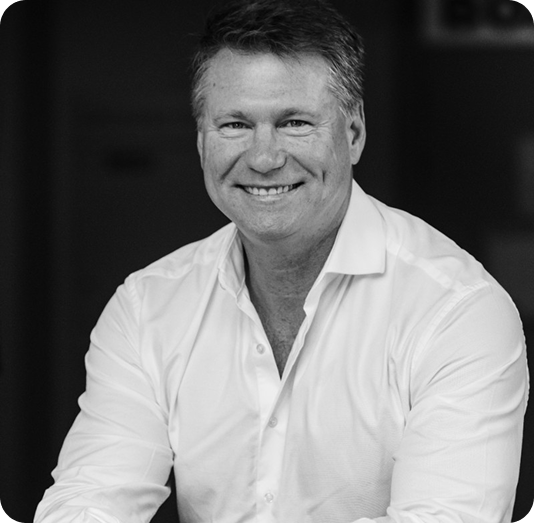
Looking ahead to the 2026 National Budget, CFO Ntobeko Nyawo said fiscal discipline would be critical to sustaining this momentum. “We’re watching closely for progress on formalising a debt-to-GDP ceiling. That kind of policy anchor supports inflation targeting and strengthens South Africa’s credit story, which ultimately feeds through into funding costs and confidence.”
Investor confidence unlocks capital options
Redefine said the discount to net asset value (NAV) has narrowed during the period to around 18%, from roughly 40% previously, improving access to capital markets. The recovery in the group’s share price is reflecting renewed investor appetite for listed property.
“Equity optionality gives us flexibility – whether recycling capital, funding acquisitions, or simply being patient,” König said.
Lower funding costs have also unlocked increased capital recycling opportunities, with private market investors once again able to transact at viable pricing. Redefine said this supports its strategy of disposing of non-core assets and redeploying capital into higher-quality, higher-return opportunities.
Balance sheet strength reduces refinancing risk
Against this backdrop, Redefine has focused on further de-risking its balance sheet.
Loan-to-value remains within the group’s 39-41% target range, while only 4.0% of total debt matures in FY26, significantly reducing near-term refinancing risk.
During the period, Redefine is well advanced in refinancing €324 million of EPP core debt on a five-year tenor at a margin of 2%, achieving a 56 basis point margin compression. In South Africa, the group successfully early refinanced R4.1 billion of secured debt and unlisted notes, securing a further 16 basis points margin improvement.
Liquidity remains robust with access to committed undrawn facilities and cash of R5.3 billion, while interest cover improved to 2.3 times. The group weighted average cost of debt was maintained stable at 7.0%, with rand-denominated funding costs continuing to trend lower.
While a more supportive rate environment is expected to help funding costs, Nyawo stressed that Redefine’s growth is not dependent on the interest rate cycle alone.
“Inflation expectations, and ultimately interest rates, will be shaped by rand resilience and oil prices,” he said. “But our growth over recent years has been driven by positive operational performance driving profitable growth, margin discipline and operational efficiencies, not only macro tailwinds.”
Operational recovery led by retail and industrial
In South Africa, the retail portfolio delivered positive renewal reversions of 2.4%, supported by healthy tenant affordability. COO Leon Kok said consumer confidence would benefit from a fiscally credible 2026 National Budget, particularly one that avoids additional pressure on personal income taxes or consumption – an important consideration for the retail property sector.
While the office sector remains uneven, Kok said green shoots are emerging in specific nodes and assets, with asking rentals beginning to rise for quality space. “Demand is returning for well-located, premium and A-grade offices, and our portfolio is well-positioned to capture that.”
He cautioned that a broader, more sustained recovery across the office sector will ultimately depend on stronger GDP growth and improved employment trends.
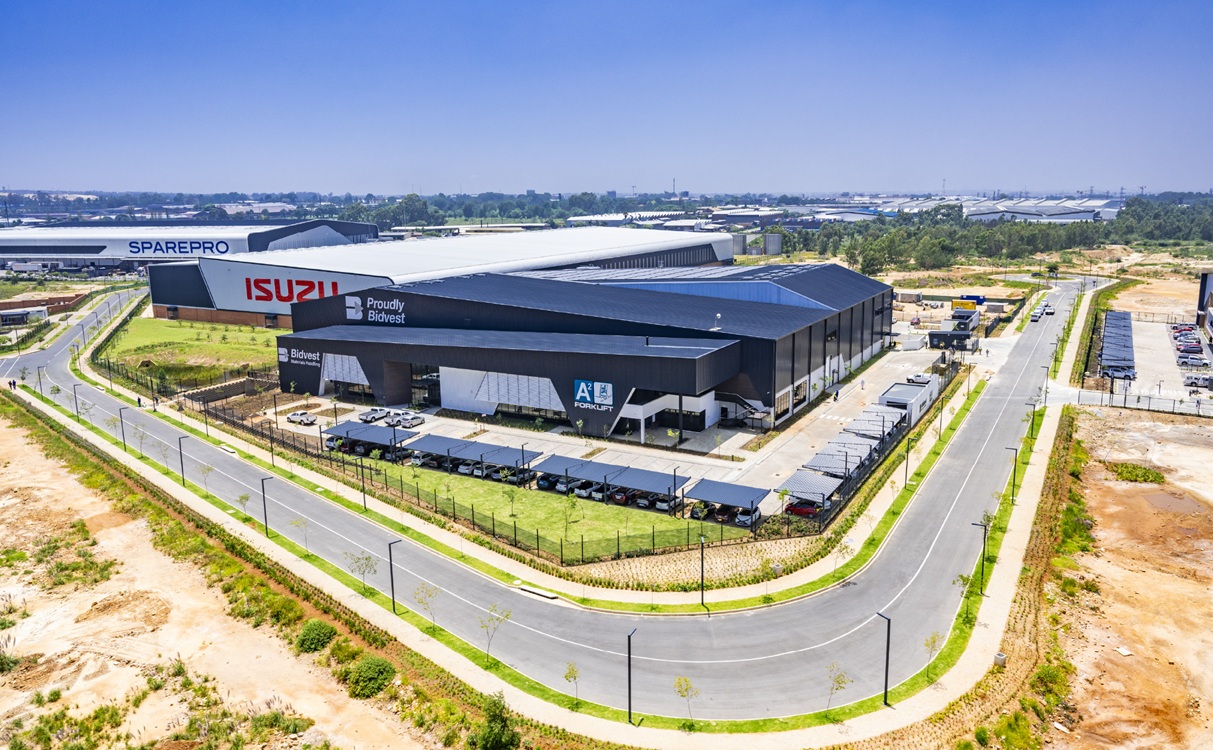
The industrial portfolio remains a standout performer, with occupancy at 97% and renewal reversions of 3.7%. New developments at Skyhawk Park and S&J Business Park are on track to deliver yields above 9%.
Energy progress, water risk remains
Redefine has continued to strengthen energy resilience, expanding its solar PV footprint to nearly 63MWp, a 23% year-on-year increase, with solar now supplying 13.1% of total energy consumption. Electricity savings of 71 520kWh supported margin stability, while electricity wheeling initiatives are being progressed.
Water security, however, remains a more complex risk. “Unlike energy, water can’t be solved through on‑site investment alone,” Kok said. “While our efficiency measures have reduced consumption by 7.3%, sustainable water security depends on broader municipal infrastructure and service delivery.”
Kok said the group was encouraged by recent announcements made by government to elevate water security to a national priority, including greater engagement with the private sector, but stressed that timely and tangible interventions, particularly in Gauteng, are now critical.
Poland shifts from expansion to optimisation
In Poland, Redefine’s EPP retail platform continues to perform consistently, with occupancy at 99.4% and strong tenant retention. Logistics and self-storage remain selective growth areas, while the broader strategy has evolved.
“Our focus in Poland has shifted from expansion to optimisation and simplification,” König explained. “This includes streamlining joint venture structures to reduce complexity and improve capital structure flexibility.”
He added that Poland remains an attractive market, but that capital deployment is now tightly disciplined and driven by tenant demand rather than growth for its own sake.
Margins, recurring earnings drive growth outlook
Nyawo said Redefine’s medium‑term outlook is underpinned by a stabilised, high‑quality earnings base. Operating margins improved to 77.1% in the first quarter of FY26, with a strategic medium-term target of 80%, and the group is on track to restore its earnings base. Importantly, non‑recurring earnings have been largely eliminated, reinforcing confidence that growth is being driven by recurring, sustainable cash generated by operations.
“With a de‑risked balance sheet and improving fundamentals, we remain on track to deliver on the upper end of 4.0% to 6.0% guidance growth in distributable income per share,” he added.
Execution capability across the business is also supporting resilience. The group was recognised as a Top Employer for the 11th consecutive year, with employee retention of 98.5% in South Africa and 97.4% in Poland – a key advantage in a talent-constrained industry.
König said that Redefine is increasingly leveraging artificial intelligence in leasing, portfolio analytics and market intelligence, enabling faster and more precise responses to the evolving tenant demand.
“What’s encouraging is that the recovery is no longer theoretical – it’s showing up in our numbers, in funding costs and in market confidence. That momentum is what ultimately builds value, and it puts us on a far stronger footing as we look ahead.”