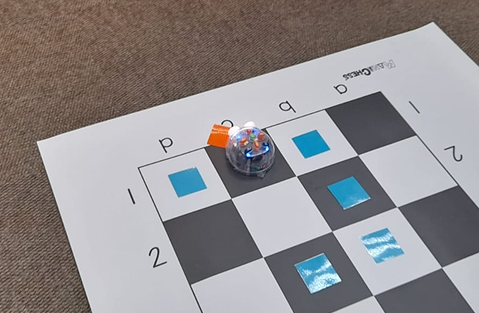
Neuro-based Teaching Methodologies
MiniChess Club classes is a structured programme offered face-to-face after school hours, typically aligned with Mathematics and/or Entrepreneurship. The programme spans five developmental levels, from StartSmart (4-5 year-olds) to Level 3 (up to 11 year-olds), effectively fostering critical thinking, problem-solving, and core STEM development. MiniChess Clubs meet weekly.
Overview
MiniChess and Coding applies the internationally recognised S.A.R.A. methodology:
MiniChess and Coding FIRST develops the pre-skills needed in coding.
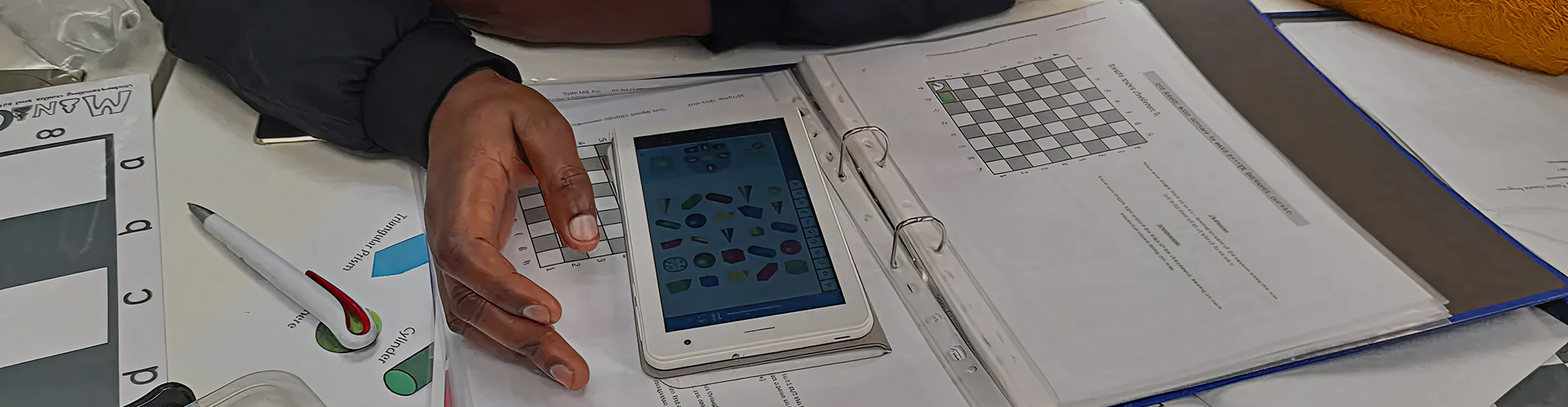
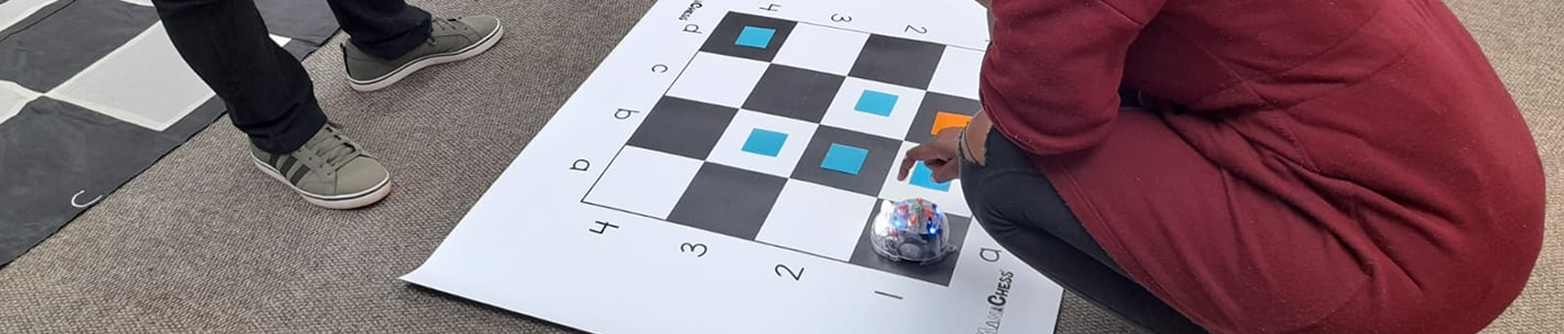
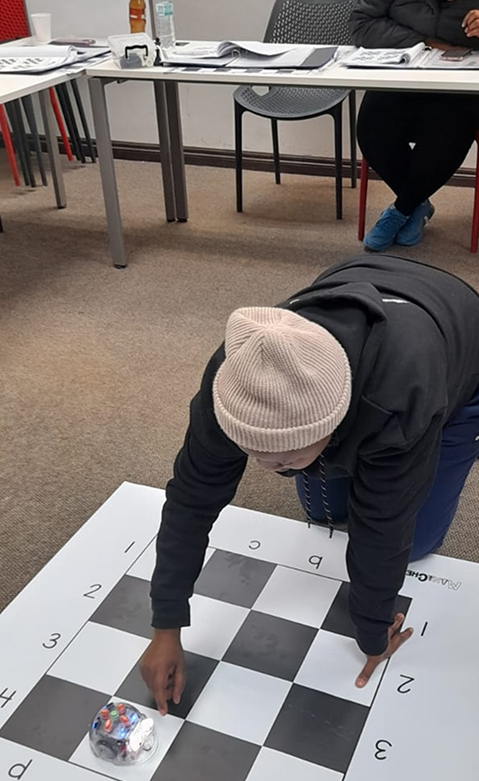
Coding requires far more than repetitive technical skill. It relies heavily on spatial ability, visualisation, reasoning, planning skills, creative problem-solving, resilience and perseverance, and other core abilities that are often absent from curricula but are developed effectively through MiniChess. Coding can feel abstract for young learners, so MiniChess neuro-based teaching starts with three-dimensional, concrete learning, then moves to two-dimensional work, and only then to abstract application.
What is S.A.R.A?
After mastering ScratchJr, learners progress to Scratch. Scratch is a high-level, block-based visual programming language.