

Neuro-based Teaching Methodologies
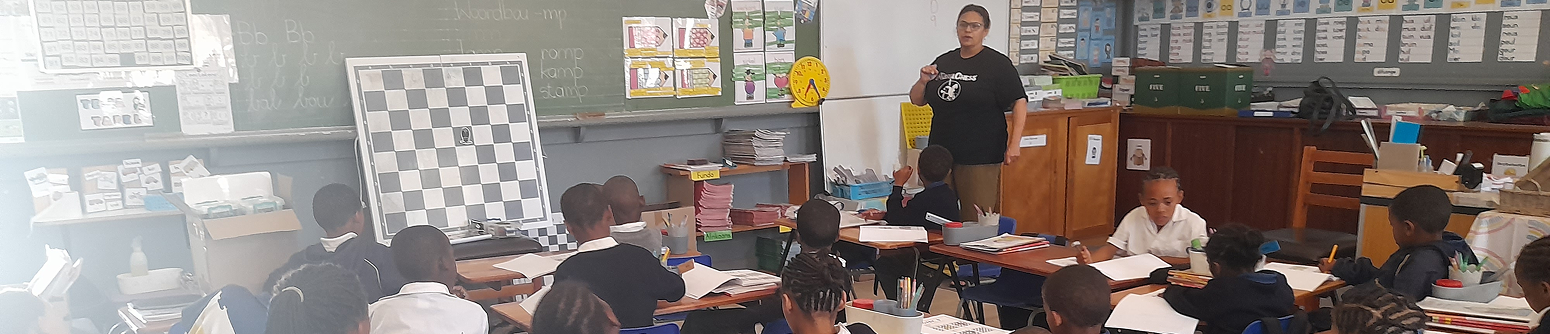
MiniChess classes are a structured, curriculum-integrated programme offered face-to-face within the school timetable, typically aligned with Mathematics and/or Entrepreneurship. The programme spans five developmental levels, from StartSmart (4-5 year-olds) to Level 3 (up to 11 year-olds), effectively fostering critical thinking, problem-solving, and core STEM development.
Overview
The programme is presented by qualified specialist MiniChess teachers or accredited in-school staff, ensuring high-quality instruction with all required teaching materials and equipment provided. Schools, governing bodies, and alternative organisations interested in implementing this valuable programme can initiate a consultation to finalise a model tailored to their specific institutional needs.
MiniChess-classes are included inside the school’s curriculum and time-table (Face-to-face tutoring) – usually as part of the Math- and/or Entrepreneurship curriculum-cycle.
Classes are presented weekly by an outside specialist MiniChess-teacher OR accredited in-school teacher (as per School-agreement), including all prescribed MiniChess teaching materials and equipment as well as workbooks.
The weekly MiniChess-classes are presented over 5 Levels, according to the School-agreement:
- The StartSmart level (4-5 years old)
- The Level R (6-7 years old)
- MiniChess Levels 1, 2 and 3 (7-12 years old)
Process Forward
In-school STEM development programs offer a multitude of benefits to students. Firstly, these programs foster early exposure to STEM disciplines, allowing students to explore and develop an interest in science, technology, engineering, and mathematics from a young age. By engaging in hands-on activities, experiments, and projects, students gain practical experience and a deeper understanding of STEM concepts. Moreover, these programs promote critical thinking, problem-solving, and analytical skills, which are essential in various academic and professional pursuits. In-school STEM development programs also encourage collaboration, communication, and teamwork, as students often work together on projects, fostering important social and interpersonal skills. Lastly, these programs help bridge the gap between classroom learning and real-world applications, enabling students to see the practical relevance and impact of STEM fields in their lives. Overall, in-school STEM development programs provide valuable opportunities for students to explore, excel, and prepare for future careers in STEM.
*MiniChess-students become members of the StartSmart Entrepreneurs Club
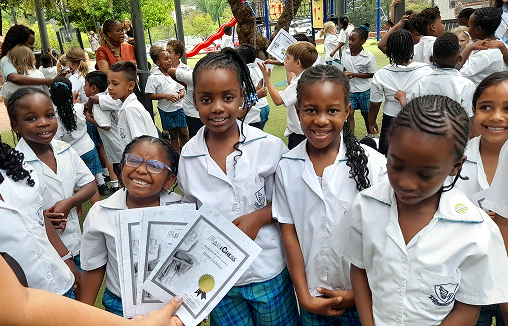
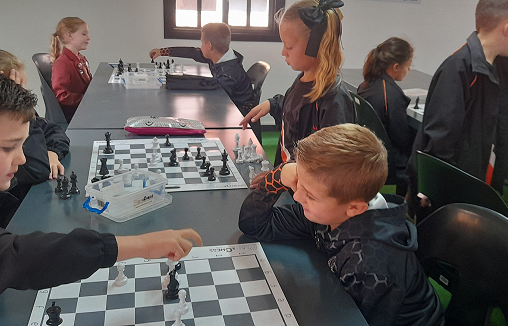
Our Neuro-based training methodologies
1. The 7 main learning styles taught in our classes

Oral

Visual

Auditive

Tactile

Social

Logical

Kinetic
2. Strong Focus on Developing socio-economic skills through play
3. All lesson-plans/themes are structured in a fixed spatial model for base-line STEM-skills development
- Starting with 3Dimentional/Concrete, real-life experiences,
- before moving to 2Dimentional/abstract presentations and
- finally, to age-appropriate, practical Application of knowledge.
4. MiniChess play-innovation is a proven model for BRAIN-TRAINING
MiniChess classes are “emotional safe spaces” with a clear intention to identify and correct developmental backlogs. Optimal learning can only take place when the child functions in his/her Thinking Brain. When children feel safe, they are more inclined to be creative, experiment and investigate, without fear of rejection. This is important as it develops an entrepreneurial mindset. Many of SA’s children are experiencing very difficult home and/or school environments, which place them in an emotional state of “survival” – functioning from their Reptilian Brain. This activates a fight or flight mechanism, where the child is not open to optimal learning. MiniChess teachers are trained to identify and assist learners to move out of “survival”, through their “safe house” (the Limbic Brain), to access their Thinking Brain, to optimise learning.
MiniChess-purposefully targets the correction of early developmental backlogs, from the outset of the program, with: Stimulating the inner senses: the Vestibular system, The Proprioceptive system and Kinesis. According to Occupational Therapists, backlogs in any of these 3 systems WILL precipitate in “learning difficulties” in school. Especially backlogs in the Vestibular system (a system of tubes situated in the inner-ear), deliver life-long challenges in spatial ability, which is NOT outgrown with age.
Spatial ability forms the foundation for reading, writing and mathematics for life. Spatial backlogs are proven to be endemic in SA, which contributes to our country’s problem with reading and mathematics. Our play-based program illustrates excellent results in correcting these debilitating backlogs in young children.
5. The MiniChess-games are designed to stimulate critical think-skills as well as emotional skills from practical play-experiences:
“Children learn to make healthy decisions, by making decisions. Not by taking instruction.”
Important Information
MiniChess is available online with live classes on the MC Platform.
For children aged 4-12
Teaching Materials
- Large 3D Chessboard Mat (2.8m x2.8m) with Light-Weight Chess Pieces
- Large Magnetic Demo-Board and Magnetic Chess Pieces
- Staunton Chessboards and Sets in Stackable Containers
- MiniChess Stamp (used by teachers in spatial development)
- x2 FIDE Accredited Chess Timer with Batteries (used from Level 2 onwards)
- Teacher Aid Pack Plus (props and learning materials for lessons)
- StartSmart Kit and Set of 72 Magnetic Colour Squares
- Learner Workbooks
- Mecer Smartlife 7’’ Tablet
- The MiniChess by Kasparov Offline Game (tablet-based)
- MiniChess Coding Kit
About The Materials
This timer is issued from Level 2 onwards. Each school receives 2 clocks/year (with batteries included) towards practical play-implementation and learning about time, effective time-management and time-pressure.
Learner Workbooks
Each child gets his/her own workbook per MiniChess Level that is issued in 5 progressive difficulty Levels. Available in English for this project, this programme introduces English mathematics terminologies through play from the early ages. Classes are presented according to each school’s policy around “language of teaching and learning”. And the Teachers/Instructors are from the same village as the children in the school – which assures cultural and language compatibility.
Mercer Smartlife 7” Tablet
Learners share the Mecer Smartlife 7” tablet over the different classes. Tablets are pre-loaded with the relevant programs and pre-charged before each MiniChess Tablet-day. The shatterproof “Safe-case” is lockable with wheels and protective custom cut high-density inners. The Astrum earphones are individually pre-packed and marked. It is issued to each individual participating child at the beginning of the year and kept in practical containers per class-list, for use by the specific individual learner for the rest of the year.
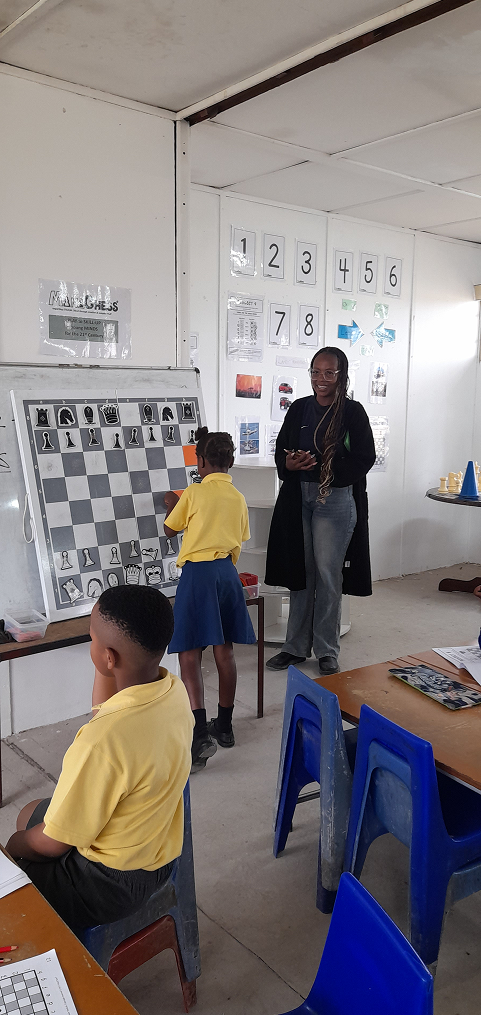
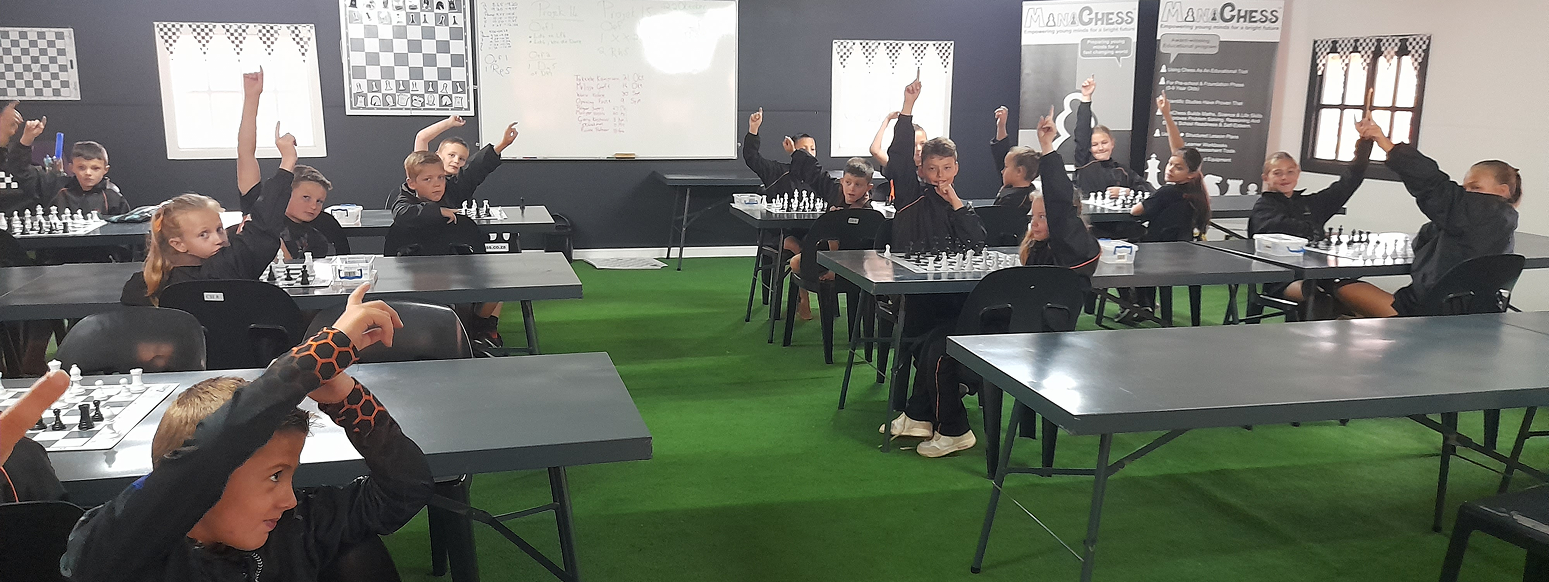
how s.t.e.m skills benefit early development through our classes

Math Proficiency
MiniChess turns maths into something learners can feel and practise, not just memorise. On the board, children work with sequences, patterns, position, and cause and effect. They learn to plan step by step, spot relationships, and solve problems with structure, which supports confidence in maths tasks that require method, accuracy, and logical thinking.
- Logical and sequential thinking
- Improved problem solving
- Pattern recognition
- Grid work and coordinates

Literacy Proficiency
MiniChess strengthens the building blocks that sit underneath reading and writing, like attention, symbol recognition, and clear expression. Learners practise following instructions, naming concepts, and explaining their thinking. Over time, this supports classroom literacy because children become more focused, more precise with language, and more comfortable communicating ideas.
- Letter and number recognition
- Improved concentration
- Stronger verbal reasoning
- Clearer expressive communication

Social Skills
MiniChess creates a safe, structured space where learners practise how to behave in a competitive setting without it becoming negative. They learn to take turns, manage emotions, and handle both winning and losing with maturity. These habits carry into the classroom and playground, helping learners build confidence, resilience, and healthier relationships with peers.
- Confidence and self-esteem
- Patience and turn-taking
- Understanding consequences
- Healthy competitiveness and sportsmanship

Cognitive Skills
MiniChess develops thinking skills that help across subjects, not just in chess. Learners practise focus, memory, and planning, while learning to pause, assess options, and choose a better next step. This supports stronger learning habits because children become more deliberate thinkers, more adaptable, and more able to reflect on what worked and what needs to change.
- Critical thinking and decision making
- Memory and recall
- Visualisation (thinking ahead)
- Mental discipline and focus